

Class utility stacking has become a defining factor in how advanced groups approach challenging content. Instead of focusing purely on damage output, groups increasingly prioritize overlapping utility tools that control space, reduce incoming pressure, or smooth execution.
This shift encourages creative composition choices. Groups that understand how utilities interact can solve problems in ways that raw numbers alone cannot achieve.
Utility Creates Control Beyond Damage
Utility abilities such as crowd control, movement support, damage reduction, and debuff manipulation allow groups to shape encounters actively. These tools often prevent dangerous situations before they occur.
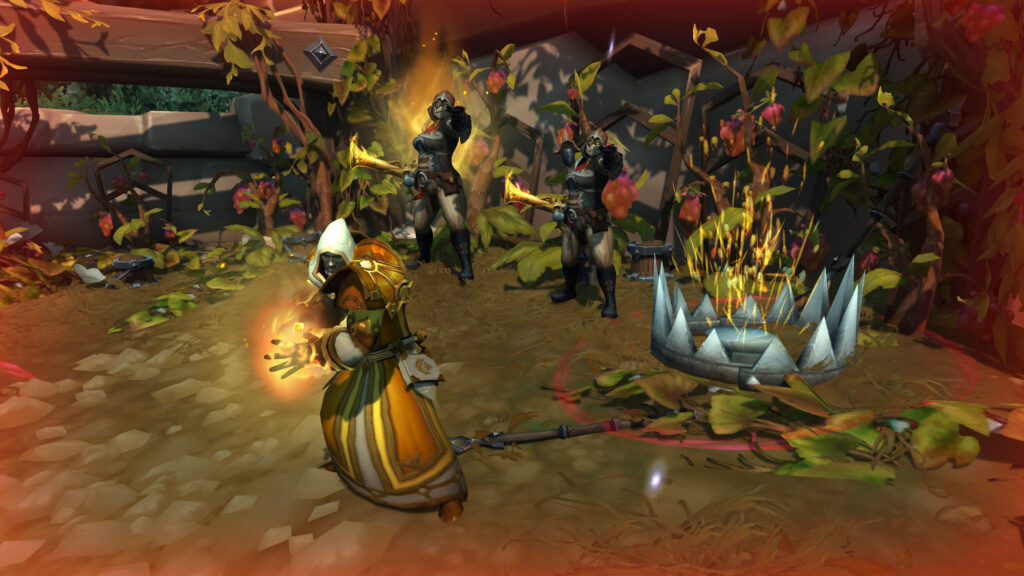
Stacking similar utilities amplifies their effect. Multiple sources of control or mitigation extend safety windows and reduce reliance on emergency reactions.
Stacking Enables Encounter-Specific Solutions
Some encounters favor layered control, while others reward mobility or defensive coverage. Utility stacking allows groups to tailor solutions to these demands.
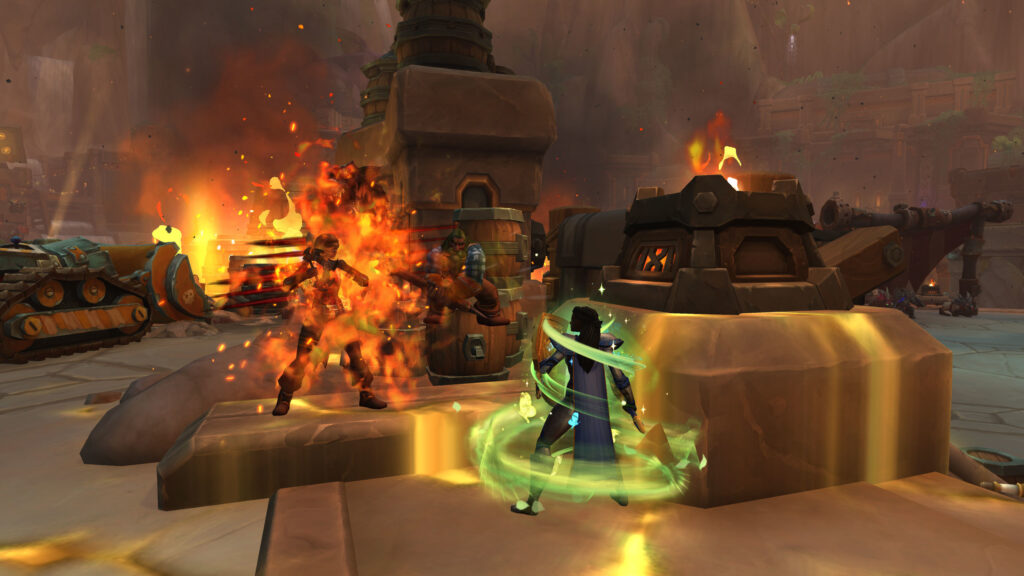
This flexibility creates distinct group identities. Different teams may solve the same encounter using entirely different utility combinations.
Coordination Determines Utility Value
Stacked utility only reaches full value when coordinated properly. Poor overlap wastes potential, while intentional sequencing maximizes impact.

Groups that communicate clearly turn utility into a shared resource rather than individual safety nets.
| Utility Type | Stacking Effect | Strategic Benefit |
|---|---|---|
| Crowd control | Extended lockdown | Reduced chaos |
| Damage reduction | Layered safety | Survivability spikes |
| Movement tools | Chain mobility | Positioning freedom |
| Interrupts | Coverage redundancy | Error tolerance |
Utility Stacking Raises Strategic Depth
Rather than simplifying gameplay, utility stacking increases decision density. Groups must decide when and how to apply layered tools.
This strategic depth rewards planning, awareness, and trust between players.
Conclusion
Class utility stacking enables unique group strategies by shifting success away from raw output toward control and coordination.
Groups that master utility interactions gain solutions unavailable to compositions focused solely on damage.