
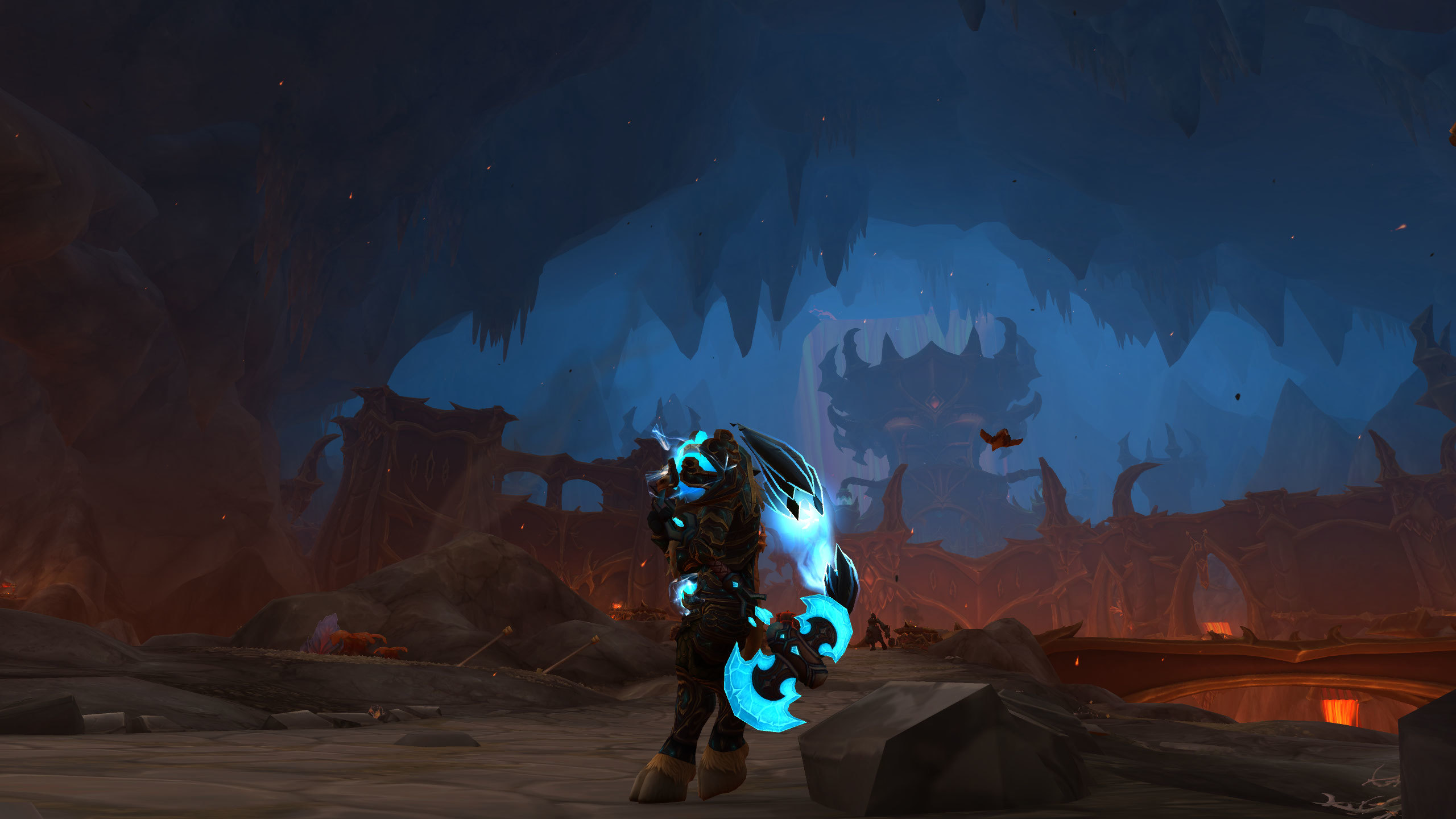
The current meta is characterized by a significant flux in the Damage Per Second power curve, necessitating a rigorous, data driven examination of efficacy across all specializations. Performance variance between Melee and Ranged damage dealers has reached a critical threshold, demanding analysis across three key operational vectors: Sustained Single Target Efficacy, High Stress Area of Effect Throughput, and Positional Vulnerability Metrics. The optimal composition requires careful consideration of each specialization’s inherent strengths and environmental constraints.
This report presents the current Power Rankings, highlighting systemic imbalances and proposing adjustments to restore competitive parity in high level instanced content.

Evaluation Criteria: Efficacy and Vulnerability
Specializations are evaluated based on three weighted criteria. First, Sustained Single Target Efficacy measures output constancy during boss phases without reliance on burst windows. Second, High Stress Area of Effect Throughput measures damage contribution during intense multi target pulls, specifically accounting for target cap limitations. Third, Positional Vulnerability Metrics assess the inherent risks associated with a specialization’s damage profile, such as long casting times, mandatory proximity to the target, and reliance on long channel abilities. High vulnerability scores depress overall ranking regardless of raw output.
Ranged Supremacy in Positional Rigidity Encounters
Ranged Damage Per Second specializations currently exhibit marked superiority in encounters requiring high positional awareness and frequent rapid movement. Their ability to maintain rotational integrity from distance grants them a low Positional Vulnerability Metric. Classes like Marksmanship Hunters and Elemental Shamans maximize uptime on targets regardless of area denial mechanics. This translates directly to higher effective throughput in complex raid environments, creating an imbalance where rotational complexity is favored over positional constraint.
Melee Constraints and Stress Area of Effect Performance
Melee specializations suffer primarily from two constraints: high Positional Vulnerability and recent Area of Effect target capping adjustments. While Assassination Rogues and Fury Warriors excel in burst Single Target Efficacy, their mandatory proximity to the hostile unit exposes them to all frontal attacks and high density ground effects, significantly increasing their vulnerability score. Furthermore, target caps restrict their ability to scale effectively in large trash pulls, ceding the overall Area of Effect Throughput advantage to Ranged specializations with superior damage distribution mechanics.
Damage Per Second Power Rankings: Comparative Tiers
The following table reflects the current competitive landscape, prioritizing Effective Throughput and low Positional Vulnerability for instanced content:
| Tier | Specialization Examples | Primary Advantage | Dominant Content Metric |
|---|---|---|---|
| S (Top) | Marksmanship Hunter, Shadow Priest | Low Positional Vulnerability; High Burst Ranged | Mythic Raid, Complex Mythic Plus |
| A (Strong) | Elemental Shaman, Assassination Rogue | High Single Target Efficacy; Strong Utility | Single Target Boss Encounters |
| B (Viable) | Enhancement Shaman, Retribution Paladin | High Utility Contribution; Moderate Cleave | General Dungeon Content |
Required Systemic Adjustments

To restore parity, immediate systemic adjustments are required. Melee specializations need a reduction in Positional Vulnerability, potentially through increased baseline defensive utility or temporary damage immunity tools, compensating for mandatory proximity. Ranged specializations, while performing well, require moderation of their burst damage windows to prevent excessive power creep in phases where movement is minimal. The core goal is to reduce the operational difference between high uptime Melee and Ranged Damage Per Second specializations in high movement scenarios.
Conclusion: The Ranged Advantage
Current data confirms a structural advantage for Ranged Damage Per Second specializations driven by low Positional Vulnerability and superior scalability in Area of Effect environments. Melee specializations, despite high raw Single Target Efficacy, remain constrained by environmental limitations. Future tuning cycles must focus on mitigating the inherent risks associated with melee engagement to ensure all roles maintain competitive viability across the diverse array of instanced content.