Dungeon scaling systems are designed to preserve challenge across a wide range of player skill levels. Rather than flattening difficulty, scaling adjusts pressure so that execution remains the determining factor at every tier.
This approach allows dungeons to stay relevant for beginners and experts alike, ensuring that learning and mastery both remain meaningful parts of progression.
Scaling Preserves Mechanical Relevance
As difficulty increases, enemy health and damage scale alongside player power. However, mechanics remain unchanged, ensuring that players must still execute correctly.
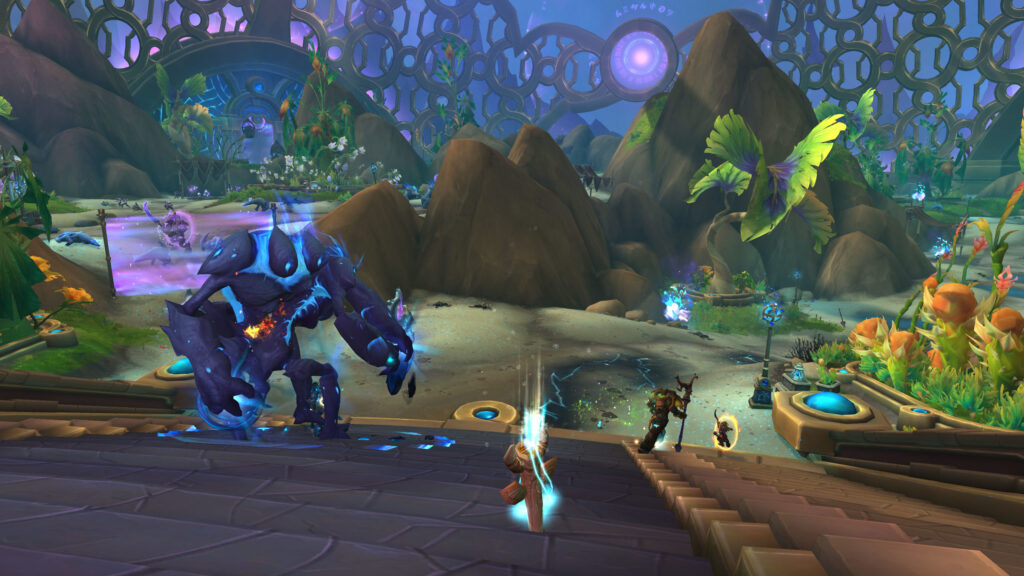
This prevents brute-force approaches. Even well-equipped players must respect interrupts, positioning, and timing.
Skill Gaps Become More Visible at Higher Levels
Lower difficulties allow room for error, masking inefficiencies. As scaling intensifies, these inefficiencies are exposed quickly.
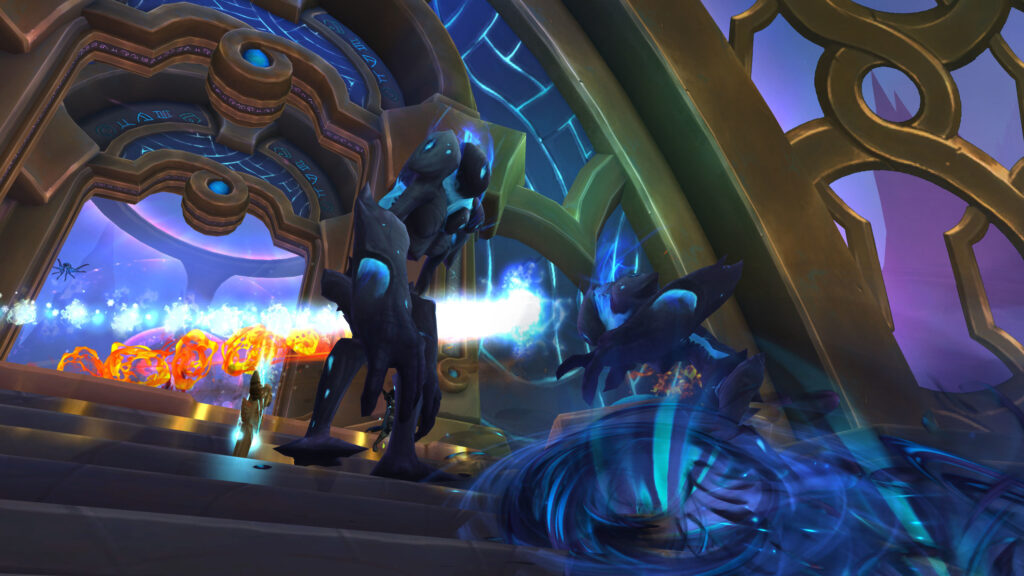
Players who rely on fundamentals adapt smoothly, while those skipping mechanics struggle as pressure rises.
Scaling Encourages Continuous Improvement
Because challenge persists at every level, players are encouraged to refine play rather than simply outgear content.
This creates a progression curve based on skill growth instead of time investment alone.
| Difficulty Range | Primary Challenge | Player Focus |
|---|---|---|
| Low | Learning mechanics | Fundamentals |
| Mid | Consistency | Execution |
| High | Precision | Optimization |
| Top-end | Error intolerance | Mastery |
Scaling Supports Diverse Player Goals
Casual players can engage comfortably while improving gradually, while competitive players find meaningful resistance at higher levels.
This inclusivity keeps dungeon content active across the entire player base throughout the expansion.
Conclusion
Dungeon scaling systems maintain challenge across skill ranges by tying difficulty to execution rather than raw power.
The result is content that remains engaging, educational, and rewarding for players at every level of mastery.