
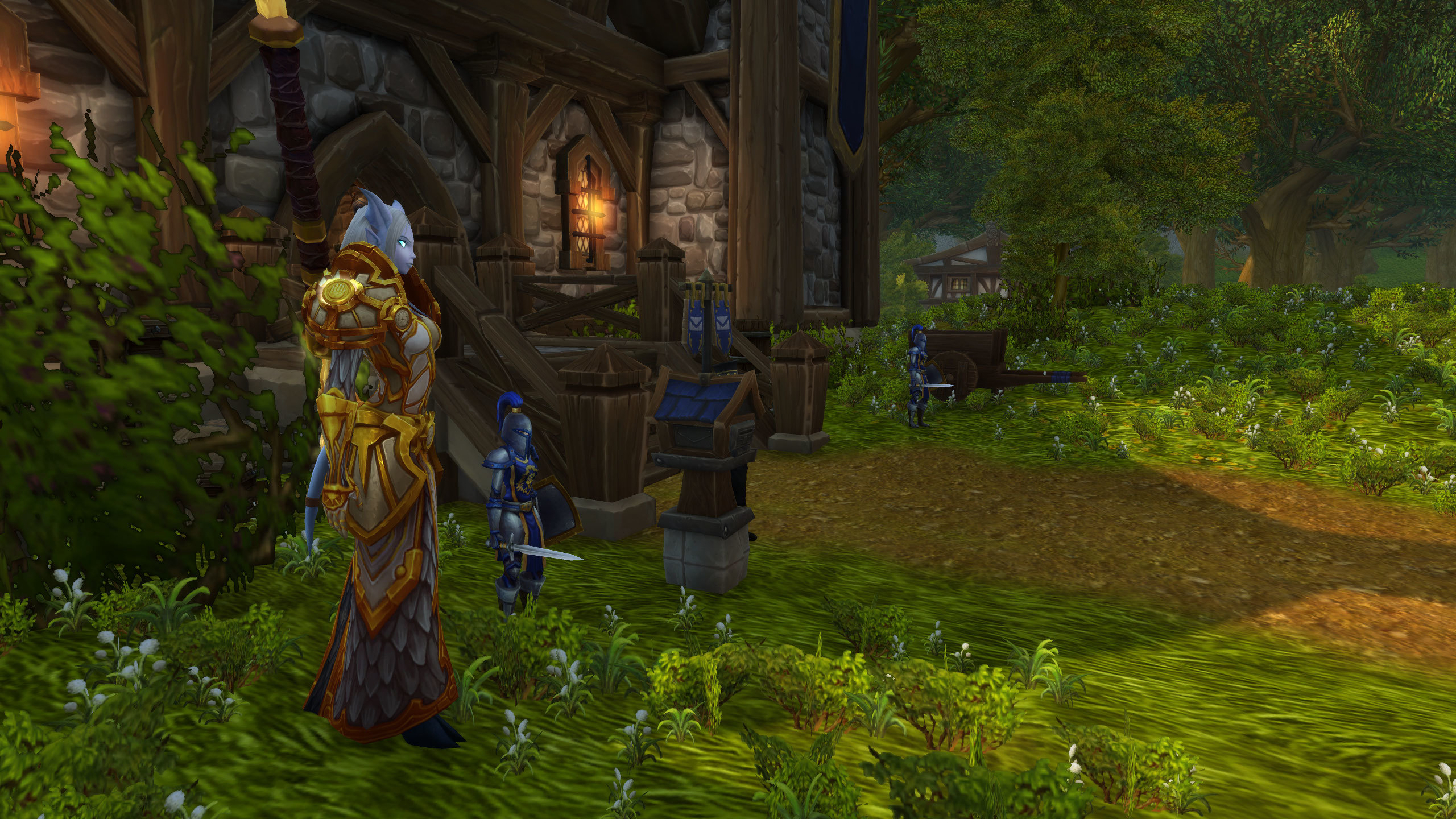
PvP map geometry plays a decisive role in how line-of-sight control is established and contested. Walls, pillars, elevation changes, and open spaces define which strategies are viable long before abilities are used.
High-level PvP is as much about spatial awareness as mechanical execution. Players who understand map geometry dictate engagements by controlling what can and cannot be targeted.
Line-of-Sight Defines Engagement Boundaries
Line-of-sight determines when players can apply pressure and when they must disengage. Geometry creates natural windows of safety and vulnerability.
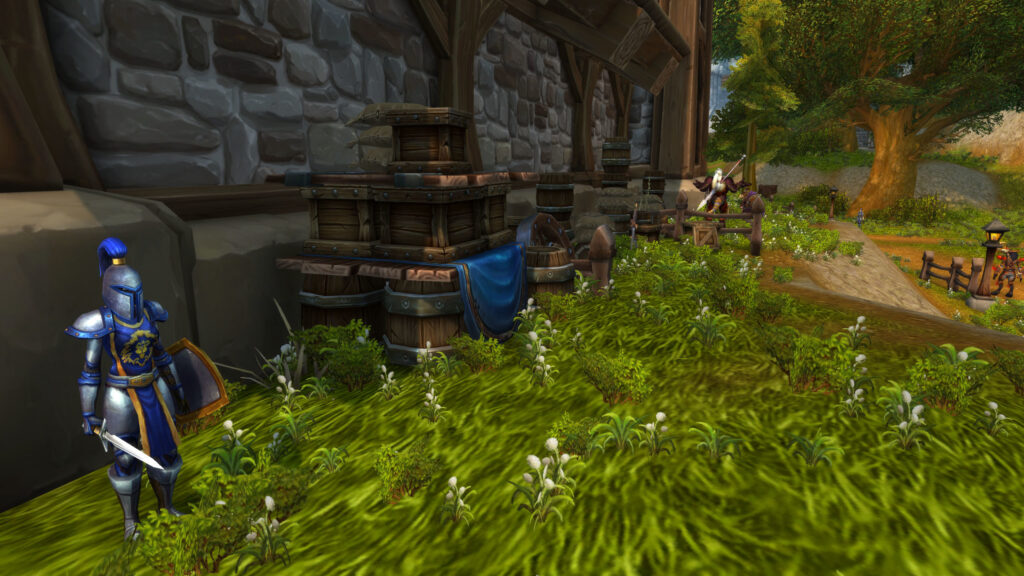
Skilled players manipulate these boundaries constantly, stepping in and out of sight to force inefficient cooldown usage from opponents.
Geometry Rewards Positioning Over Aggression
Open aggression without positional awareness often backfires. Poor positioning exposes players to crowd control chains and focused burst.
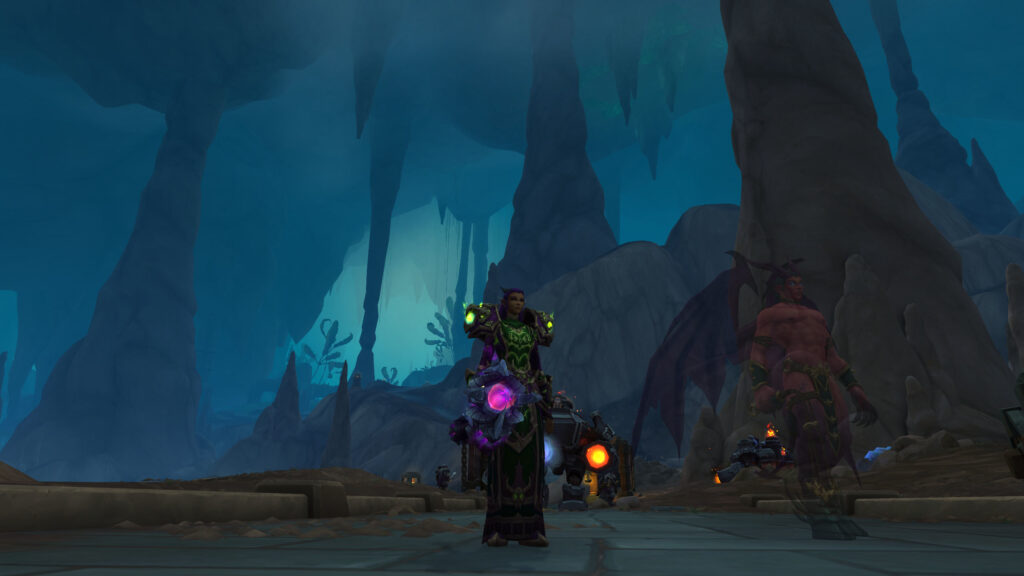
Maps with tight geometry reward patience. Players survive longer by using terrain defensively rather than relying on raw durability.
Elevation and Angles Add Complexity
Vertical elements introduce additional layers to line-of-sight control. Elevation affects targeting, movement paths, and escape options.
Players who understand angles and elevation can pressure safely while denying counterplay.
| Geometric Feature | Strategic Use | Combat Effect |
|---|---|---|
| Pillars | Cooldown denial | Extended survival |
| Walls | Cast interruption | Pressure reset |
| Elevation | Angle control | Safer damage output |
| Open zones | Commitment forcing | High-risk trades |
Map Knowledge Separates Skill Levels
At higher ratings, players internalize map layouts completely. Movement becomes instinctive rather than reactive.
This familiarity allows for faster decisions, smoother kiting, and stronger control over match flow.
Conclusion
PvP map geometry shapes line-of-sight control by defining how pressure is applied