While World of Warcraft (WoW) presents a unified Azeroth, the reality on the ground is far more nuanced. Each individual server, or “realm,” develops its own distinct culture, community norms, and even unique inside jokes, making it feel less like a shared world and more like its own tiny country. From the bustling raid scene of a high-population server to the quiet, role-play focused interactions of a niche realm, these differences profoundly shape the player experience. Understanding server culture isn’t just a curiosity; it’s key to finding your niche, building lasting friendships, and truly thriving in the world you choose to inhabit. This guide explores the fascinating disparities between WoW realms, dissecting how population, type, history, and community leaders forge unique identities that make every server a unique corner of the vast Azerothian tapestry.
Population Density: Bustling Cities vs. Quiet Villages
The most immediate and impactful difference between realms is population. High-population servers often feel like bustling metropolitan cities, with active Trade Chats, constant group advertisements, and a vibrant, often anonymous, atmosphere. There’s always something happening, but it can also feel impersonal, with less emphasis on individual reputation.
Conversely, low-population servers are akin to quiet villages. Guilds are often tighter-knit, individual player reputations carry more weight, and familiar faces are common. While finding a PUG might be harder, the sense of community and personal connection can be much stronger. This fundamental difference dictates everything from economic activity to social interaction, shaping the entire rhythm of server life.
Realm Type: The Pillars of Playstyle
Blizzard categorizes realms into specific types, which heavily influence their culture:
- PvP (Player vs. Player) / War Mode: These realms (or playing with War Mode enabled on any realm) foster a more aggressive, competitive culture. Players are often more attuned to hostile encounters, and a “kill or be killed” mentality can prevail.
- PvE (Player vs. Environment): These realms prioritize cooperative play and questing without the constant threat of player combat. The culture is generally more relaxed and focused on content progression.
- RP (Role-Play): These realms cultivate communities dedicated to in-character interaction. Trade Chat might be less about commerce and more about immersive storytelling, and players often adhere to strict role-playing etiquette.
- RP-PvP: A blend, these realms offer both role-play and the thrill of open-world PvP, often with a focus on faction conflict framed within the lore.
The chosen realm type sets a foundational expectation for player behavior and focus, attracting like-minded individuals and thus naturally shaping the prevailing cultural norms and accepted forms of communication.
| Cultural Factor | Impact on Server | Example Traits/Behaviors | Player Experience |
|---|---|---|---|
| Population Density | Transaction speed, social anonymity vs. familiarity. | High-pop: rapid Trade Chat, many PUGs. Low-pop: tight guilds, known players. | Vibrant but impersonal vs. quiet but communal. |
| Realm Type | Default playstyle expectations. | RP: in-character chat. PvP: aggressive, competitive. PvE: relaxed, cooperative. | Aligns with preferred playstyle, dictates social norms. |
| Historical Events | Shared memories, enduring inside jokes. | “Corrupted Blood” plague, legendary guild achievements/failures. | Sense of shared history, community bond, unique humor. |
| Prominent Guilds/Leaders | Influence on economy, raid progression, server events. | “First” kills, major trade guilds, community event organizers. | Shapes top-tier content, economic landscape, social trends. |
| Faction Balance | Open-world PvP experience, AH competition. | Heavily skewed vs. balanced Alliance/Horde presence. | Affects world content, sense of “enemy” or competition. |
| “Server Personality” | Overall tone, level of toxicity/friendliness. | Known for being “friendly,” “sarcastic,” or “toxic.” | Dictates comfort level, overall enjoyment of interaction. |
Historical Events and Inside Jokes
Every server has its own history, marked by memorable events that become part of its folklore. These can range from legendary guild rivalries and epic “world firsts” to server-wide mishaps like the infamous Corrupted Blood plague. These shared experiences foster unique inside jokes and a collective memory that new players might not immediately grasp but will inevitably encounter.
This historical context contributes significantly to a server’s personality, creating a sense of shared identity among its veteran players. It’s akin to knowing local legends or common phrases in a real-world community, strengthening bonds and providing a unique flavor to interactions.
The Influence of Prominent Guilds and Community Leaders
A server’s culture can also be heavily shaped by its dominant guilds or influential players. A particularly successful raiding guild might set the pace for progression and attract competitive players. A well-known role-playing guild might become a focal point for the RP community. Even charismatic trade chat regulars can influence the general tone and humor of public channels.
These entities act as cultural touchstones, drawing specific types of players and reinforcing certain styles of play or interaction. They contribute to the server’s reputation, either as a hardcore haven, a friendly gathering place, or a hub for specific activities.
Faction Balance and Perceived “Personality”
The balance between Alliance and Horde players significantly impacts world PvP and inter-faction dynamics. A heavily skewed server can lead to a dominant faction feeling very secure, while the minority faction might develop a fierce, underdog camaraderie. Beyond this, servers often develop a reputation for a general “personality” – some are known for being friendly and helpful, others for their sarcastic humor, and unfortunately, some for higher levels of toxicity.
This perceived personality, whether accurate or anecdotal, influences how players approach interactions and ultimately shapes their overall enjoyment. It underscores the importance of choosing a server that aligns with your own social preferences and desired gaming experience.
Finding Your Azerothian Home
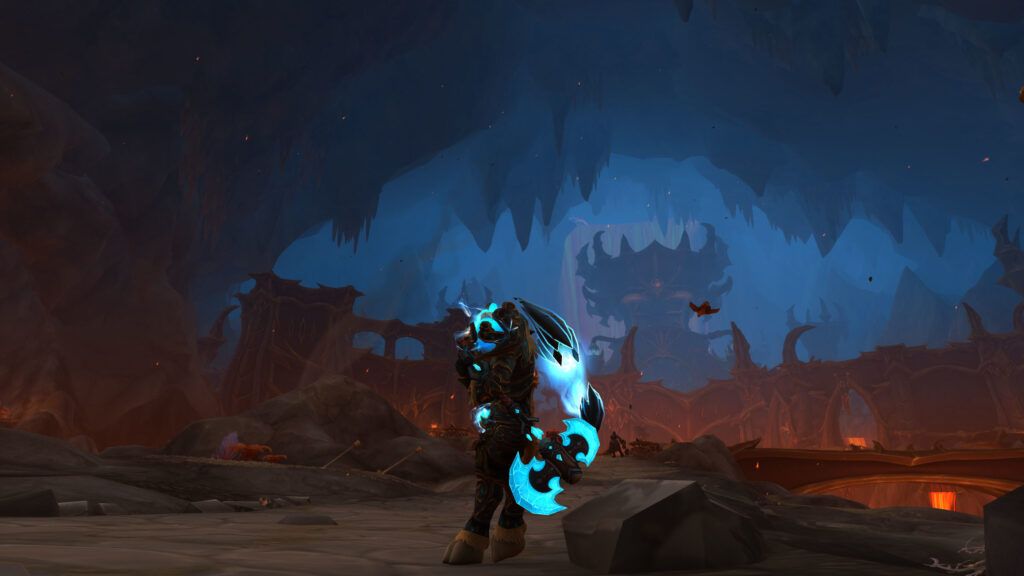
Understanding that each WoW realm is a distinct cultural entity is crucial for fully appreciating the game’s social landscape. It explains why moving to a new server can feel like moving to a new country – different customs, different language nuances, and a different rhythm of life.
By recognizing these differences, players can make informed choices about where they want to call home in Azeroth, finding a community that truly resonates with their playstyle and personality. Ultimately, this deepens their connection to the game, transforming a virtual world into a vibrant, living society where every realm has its own unique story to tell.